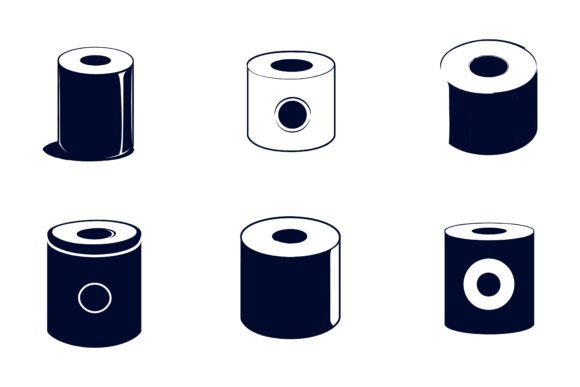
Coffee Cups: A Practical AI EPS Illustration Set for Everyday Creative Work
Finding the right visual assets often sits at the intersection of planning and execution. Whether you are designing a marketing campaign, building an app interface, or preparing a client presentation, the illustrations you choose need to work across different stages of your project without causing friction. The Coffee Cups AI EPS illustration collection addresses that need by providing a focused set of coffee-themed graphics built for flexibility, consistency, and easy integration into real workflows. It is not just a pack of images; it is a resource that understands how designers, entrepreneurs, and content creators actually work.
What makes these coffee cup illustrations stand out is the careful attention to structure and usability. Too often, digital assets come with chaotic layer names, broken paths, or file formats that limit your freedom. With Coffee Cups, you get a neatly organized file system and clean layer structure, which means you can spend less time cleaning up files and more time refining your visual message. The collection includes AI, EPS, and JPG formats, so you can start in Adobe Illustrator for full vector editing and then export to whatever format your specific task requires.
How Coffee Cups Fits Into a Broader Creative Process
Illustrations are rarely the final product. They support a brochure, clarify a point in an infographic, or make an app screen more engaging. The Coffee Cups set fits naturally into the planning phase of a project. Before you commit to a specific visual direction, you can experiment with these editable elements to see how a warm, familiar coffee motif resonates with your audience. Because every icon is vector-based, you can adjust proportions, combine elements, or draw inspiration without starting from scratch.
During production, Coffee Cups helps maintain thematic consistency. If you are creating a series of social media posts, a website banner, and an email template, pulling from the same illustration set ensures that the coffee theme remains coherent. The files are designed with perfection in details and consistency, so each cup, saucer, and steam swirl possesses the same level of polish. This reduces the need for manual fixes and makes it easier to hand off work to collaborators who can follow the logical layer naming and grouping.
After a project goes live, the value continues. Having a well-organized library of modifiable vectors means you can quickly update colors for seasonal promotions, swap elements to reflect new product offerings, or repurpose illustrations for print merchandise. Since the files are compatible with both Mac and Windows, team members on different operating systems can access the assets without conversion issues.
Preparing Your Workspace for Smooth Integration
Before dropping a new illustration into an existing document, consider a few practical steps. Start by reviewing the file types you need. If your end goal is a printed flyer, you might work primarily with the AI or EPS file to preserve print-quality vectors. For rapid web prototyping, you can use the included JPG previews to quickly drag and drop into wireframes, then later replace them with the editable vector once the layout is approved. This approach saves time and avoids performance lag in complex design software.
Another smart practice is to set up a master file that links to the Coffee Cups illustrations rather than embedding them. This way, if you decide to refine a cup’s outline or adjust the coffee color across dozens of layouts, you edit the source once and see the change propagate. The consistent layer structure makes it easy to know exactly where to find the shapes you want to modify, whether you are changing the highlight on a ceramic mug or the label on a takeaway cup.
Print and Branding Collateral
Coffee cups naturally lend themselves to cafe menus, loyalty cards, and coffee shop signage, but their usefulness extends further. A small business selling handmade goods might use a stylized coffee cup graphic to illustrate a blog post about morning routines. A publisher could integrate the images into a magazine layout exploring food culture. The illustrations are suitable for high-resolution print output, and because you can edit them so easily, you can match the color palette to brand guidelines without distorting the artwork.
Digital Products and User Interfaces
Symbols and icons play a crucial role in guiding users through an app. A coffee cup icon could represent a break reminder, a loyalty points section, or a cafe finder feature. The Coffee Cups set is suitable for symbols and apps because the vector nature keeps icons crisp at any resolution. You can adjust line weights for darker backgrounds, create monochrome versions for minimalistic navigation bars, or add subtle gradients for a more illustrative style. The layered files let you toggle detail levels to see what reads best at small sizes.
Infographics and Educational Content
Data visualization benefits from recognizable, relatable symbols. Instead of generic bar charts, you can use proportional coffee cups to represent survey data about beverage preferences or consumption habits. Educators and bloggers can embed the illustrations into step-by-step guides, turning abstract concepts into visual sequences that feel friendly and approachable. The consistent style across all icons prevents visual clutter and makes the overall graphic easier to parse.
Customization That Respects Your Creative Control
One of the biggest frustrations with stock graphics is the time it takes to adapt them to a specific project. The Coffee Cups collection is built with the expectation that you will edit it, change colors, and modify the icons according to your needs. Because the elements are not flattened into a single layer, you can isolate individual parts—like the coffee bean, the steam, or the cup handle—and recolor or reshape them independently. This flexibility means you can create seasonal variants, highlight certain ingredients, or even combine pieces from different illustrations to craft a completely new icon that still fits the family.
To maintain efficiency during customization, create a dedicated artboard in Illustrator where you test color palettes and stroke weights before applying them to multiple assets. This habit prevents inconsistency and speeds up the iterative process. If you hand off the project to a junior designer or a freelancer, the clear layer organization reduces the learning curve and keeps the project moving forward.
Quality Control and Long-Term Asset Management
Perfection in details and consistency might sound like a marketing phrase, but in practice it directly impacts quality control. When you use assets from different sources, slight variations in style can make a composition look amateurish. The Coffee Cups set avoids this by ensuring every illustration follows the same design language, line quality, and light direction. This matters when you place icons close together in a layout or when you zoom in for a high-resolution print piece.
For long-term use, treat the Coffee Cups files as living resources. Store the original AI and EPS files in a cloud-based asset library with clear naming conventions. Add a version number if you make significant modifications. Over time, you can build a custom library of adapted coffee cup illustrations that align perfectly with your evolving brand. Because the source files are organized from day one, revisiting them months later does not require a forensic investigation of unnamed layers.
Compatibility Across Platforms and Teams
A common workflow pain point is cross-platform compatibility. The Coffee Cups files are designed for Mac and Windows users, so whether your team uses different operating systems or you switch devices, the assets remain functional. The inclusion of both AI (native Illustrator) and EPS (a more universal vector format) gives you the freedom to open the files in various software, including older vector editors. The JPG files serve as handy reference previews or as ready-to-use raster images for quick social media posts where full vector editing is not required.
When collaborating with non-designers, you can share the organized folder structure as a zipped package without extra explanation. Stakeholders can open the JPGs to review concepts, while developers can extract individual elements for implementation. This reduces back-and-forth communication and helps everyone stay aligned on the visual direction.
From Concept to Completion: How Coffee Cups Moves With You
Imagine a typical project: you need to create a series of promotional materials for a coffee subscription service. In the early brainstorming phase, you sketch rough layouts and drop in JPG previews from the Coffee Cups set to communicate ideas to your client. Once the direction is approved, you open the AI file, refine the cup illustrations to match the brand’s earthy color scheme, and add subtle steam details that connect to the ideas of freshness. You then export the modified vectors for use in an email header, a landing page hero image, and a printed postcard. Throughout this process, the same core assets travel with you, adapting to each output without degrading in quality.
If the project later expands to include a mobile app, you can pull individual cup icons into a UI kit and test how they feel in a real user flow. The ease of editing allows you to strip away complex details for smaller icon sizes while keeping the essence of the coffee cup recognizable. Because the original files are neatly organized, you can always revert to a previous version or make global updates without starting over.
Why Organized File and Layer Structure Really Matters
The difference between a frustrating asset pack and a valuable one often comes down to how it is structured inside. The Coffee Cups illustrations come with a neatly organized file and layer structure that respects the designer’s need for speed and precision. Layers are named logically, groups are organized by object type, and there are no unnecessary raster effects that break when scaling. This attention to structure might seem minor, but it saves hours over the lifetime of using the illustrations. Instead of hunting through unnamed Layer 12 to find a highlight, you can jump directly to the appropriate group and make your edit in seconds.
For professionals who bill by the hour, this efficiency translates directly into cost savings. For bloggers and small business owners with limited design time, it means you can actually use the illustrations rather than struggle to make them fit. The commitment to structure also means the files age well; as design software updates and team members change, the organized foundation keeps the assets accessible and easy to understand.
Making Coffee Cups Work for Your Specific Needs
No two creative workflows are identical, but the Coffee Cups set provides a versatile starting point. If you work primarily in print, focus on the high-quality vector formats and experiment with CMYK color adjustments. If your world is digital, leverage the editable nature to create multiple icon states or animated sequences. If you are an educator, use the illustrations to build engaging slide decks that make abstract ideas more tangible. The key is to see this collection not as a static download but as a flexible toolkit that you shape to fit your goals.
When you first download the files, spend a few minutes exploring the layer panels. Notice how each illustration is constructed and where the main color swatches live. This small investment of time pays off when you later need to make rapid changes under a deadline. You can also document your process and share it with team members, creating a shared understanding that improves collaboration.
The Coffee Cups AI EPS illustration set earns its place in a productive workflow by balancing aesthetic appeal with practical design. Its compatibility, organization, and editability remove common obstacles that slow down creative projects. By integrating these illustrations thoughtfully, you can maintain visual quality, improve consistency, and free up energy for the strategic decisions that really move your work forward.